
#4 Hilsen Nilsen!
Music that leads you to new writing

When I worked at The Dubliner in Oslo for the first two years I lived in Norway, one of the things I enjoyed most was the Saturday afternoon session in the front bar where people came together to play music and enjoy each others company. The quality of the music was often variable but that of course is never much the point when people join together to sing songs in a pub.
Occasionally, one man in particular would irregularly attend and sit, usually without an instrument, among the singers and guitar players. He wore a broad-brimmed black hat and had long, straight greying hair. I don’t know who it was who eventually told me that this wasn’t just some strange man - though god knows pubs usually attract those - but was living Norwegian folk music legend Lillebjørn Nilsen. Nilsen is best-known in Norway probably for songs like “God Natt Oslo” and “Barn av regnbuen” among others.
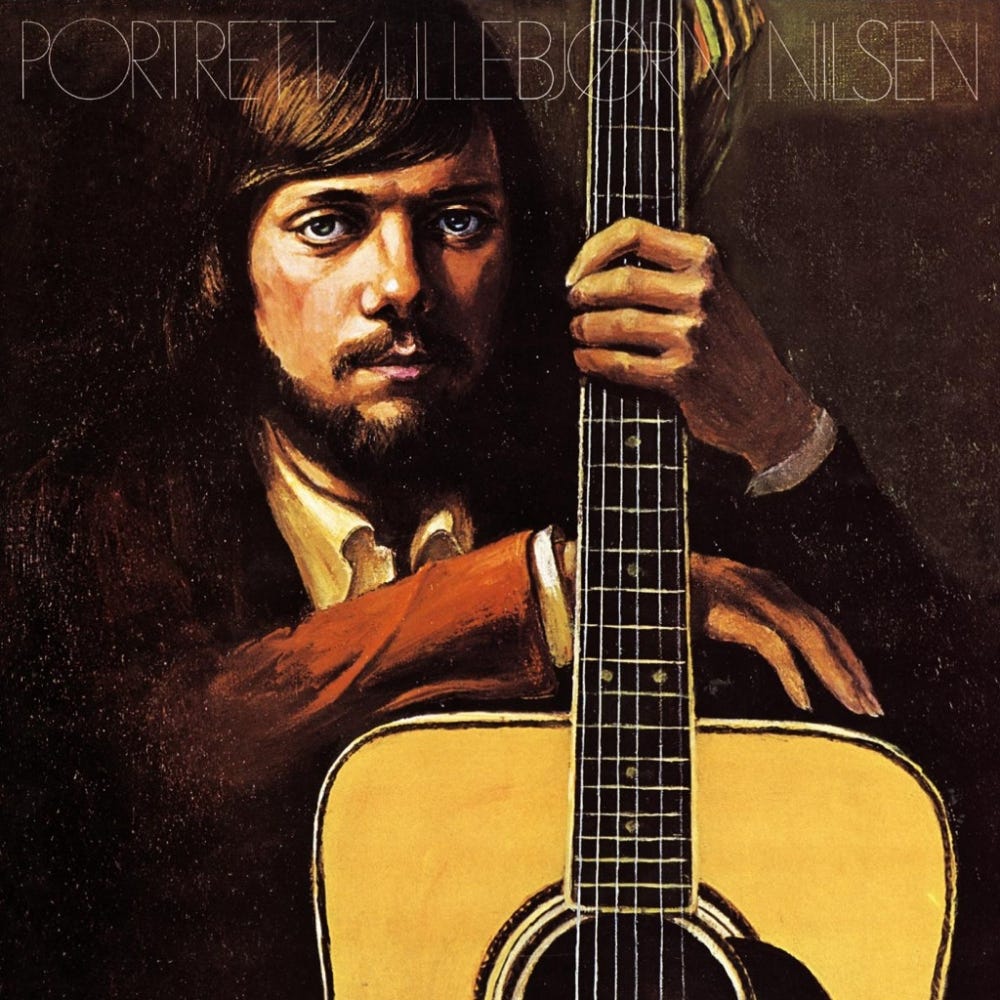
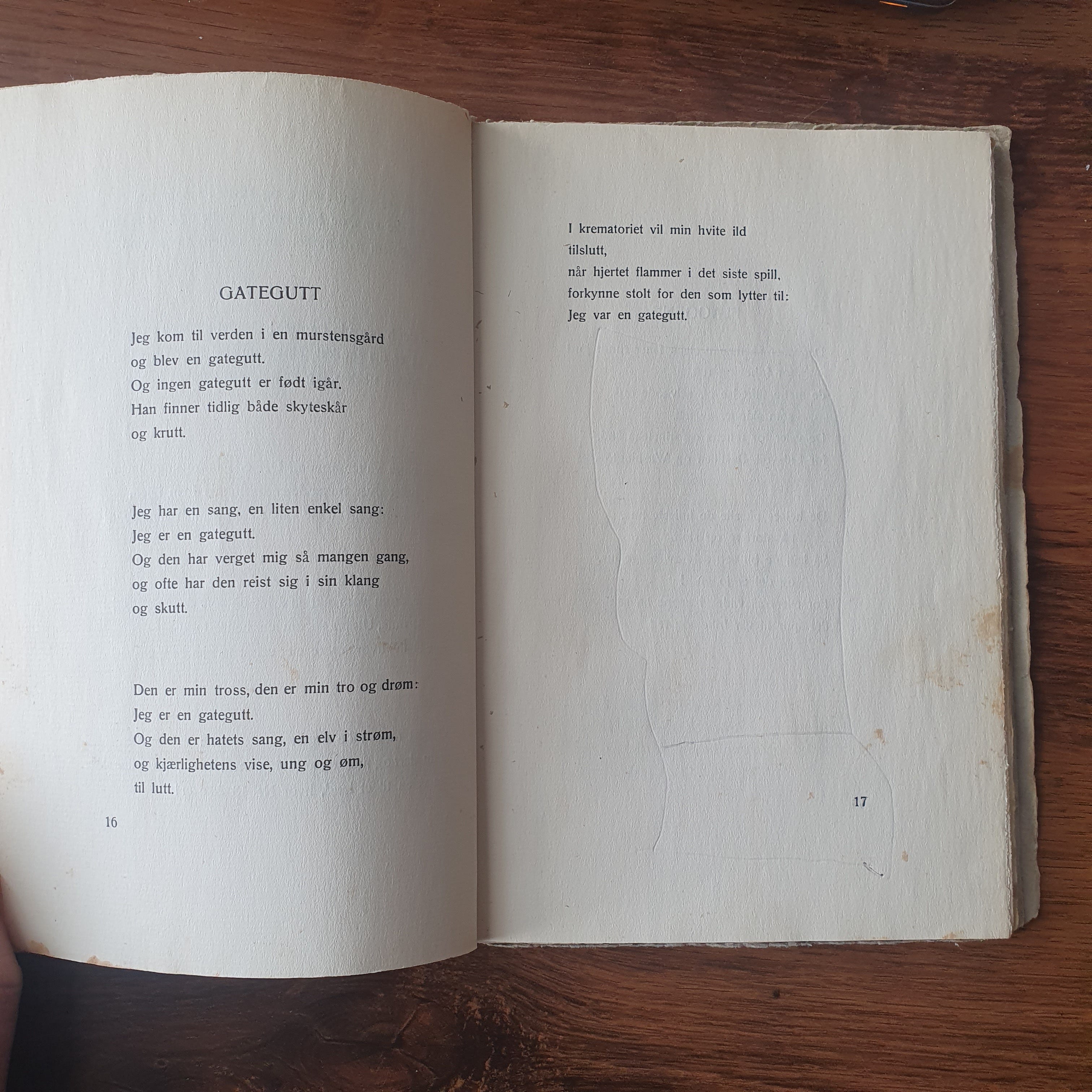
His 1973 album Portrett which showed the heavy influence of the American folk revival opened nonetheless with his setting of Rudolf Nilsen’s poem “Gategutt” (the direct translation is street-boy but corner boy is captures it more) which appears in Nilsen'ssecond collection På Gjensyn. Lillebjørn Nilsen's album is also interesting for the song “Ola Tveiten" which is Nilsen's take on a George mining song “Little he he” he heard from Tony Sheehan and wrote his own lyrics to. Here's a version of the song from Bob Fox and Benny Graham:
And here's Nilsen's version:
I didn’t know any of this at the time when I would serve Lillebjørn his whiskey of a Saturday afternoon in The Dubliner.
But the album Portrett and this musical setting of the other Nilsen’s poem was my entryway into the discovery of Rudolf Nilsen as a poet.
Rudolf Nilsen was born in Vålerenga, in the working-class eastern part of what was then Christiania (it became Oslo in 1925). He would become heavily involved in communist politics in his teens and twenties, making a living as a journalist for the Norwegian Young Communist League’s Klassekampen and later the party’s main organ Norges Kommunistblad. In addition to his journalism, Nilsen wrote two collections of poetry in his short life - På Stengrunn (1925) and På Gjensyn (1926) which was followed posthumously by a third collection he had been working on before dying from tuberculosis in 1929 at just age 27 - that collection was titled Hverdagen, the everyday which was Nilsen’s chief topic in his poetry. His poetry was often set in the form of folk songs and dealt with every day working-class life as well as radical politics. Some poems were more daring, but his best loved poems have been those that were most memorable and song-like.
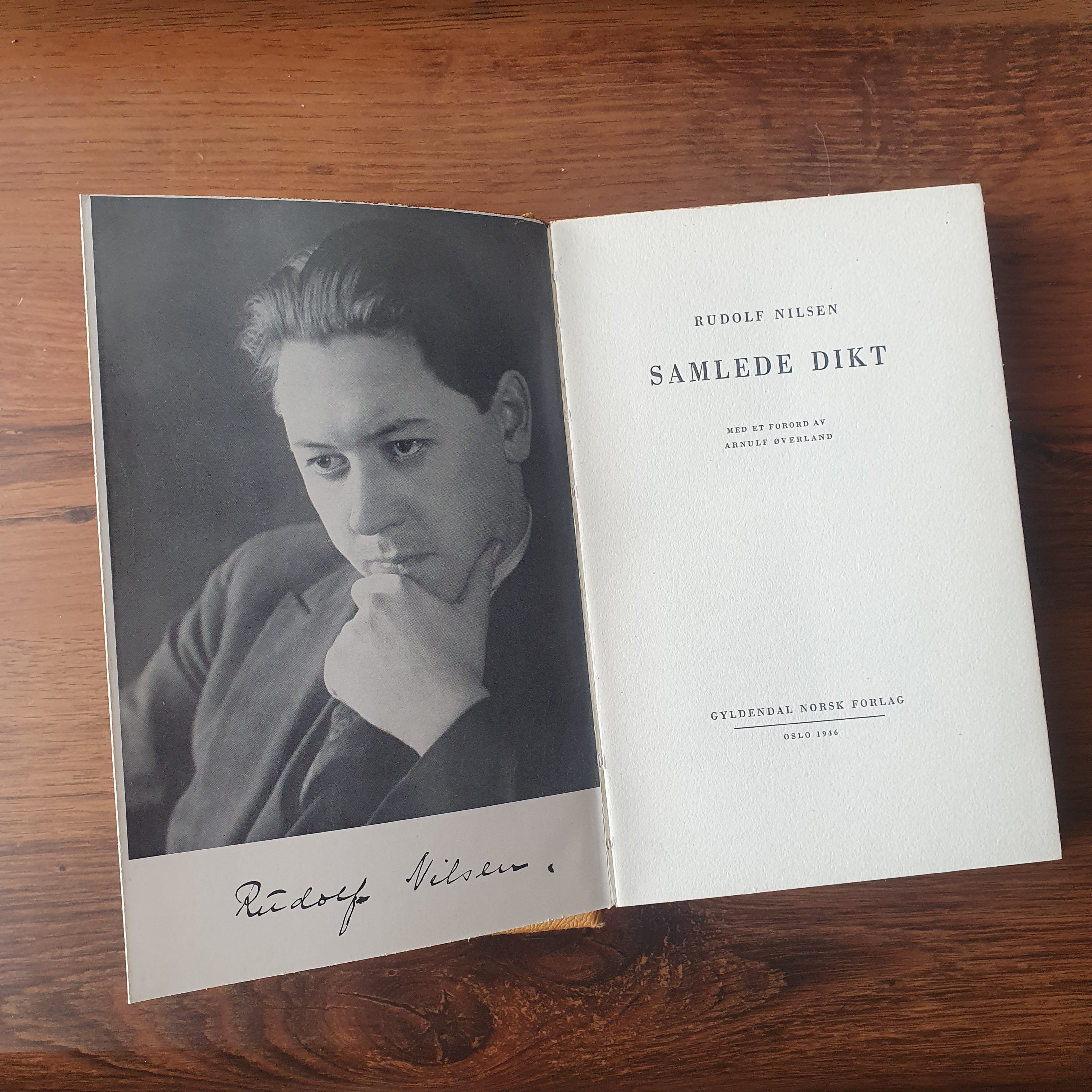
Having learned about one Nilsen from the other, I remember going to Norlis Antikvariat, a fabulous two-storey antique bookshop next to the Law Faculty of the University of Oslo, and finding a copy of Rudolf Nilsen’s Samlede Dikt from the 1940s, with a foreword by another great Norwegian poet, Arnulf Øverland most known for his poem “Du må ikke sove” a warning against the coming threat of Nazism for Europe. I think the book was around 300 kroner, and I bought it using tips from the pub.
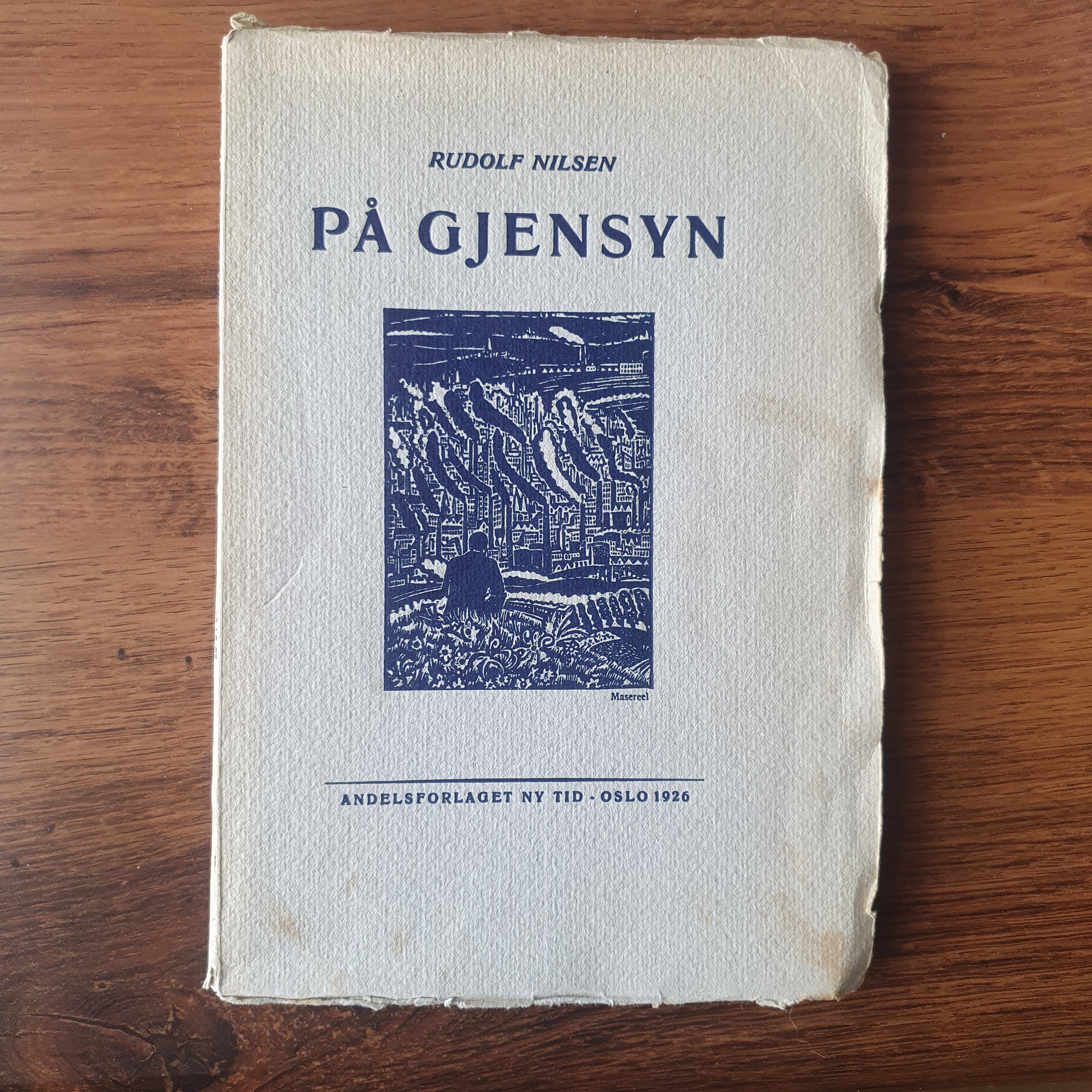
The other Nilsen book I have is a first edition of På Gjensyn, his second collection. This I bought using the money from sales of my own book Northly when it was launched in Oslo in October 2019.
Since then I have been captivated by Rudolf Nilsen’s story as well as his poems - his arrest for smuggling Soviet literature into Norway in the 1920s and his ability to write convincingly about the personal and the political in his poems, as well as his international outlook. He wrote in the Kommunistblad often as “Rulle”, and his prose was collected together in the 1970s.
A newer collected poems, Dikt i Samling, was published a few years ago including stray poems in the newspapers that didn’t make it into his initial three collections. Nilsen is not widely translated out of Norwegian and more’s the pity. His writing deserves to be better known.
As recently as 2019 a new album was released setting more of his poems to music (link below). The musical settings are a good place to start to explore this hugely important Norwegian poet of the interwar years.
On the Bookwheel
Lillebjørn Nilsen, Portrett, Grappa Musikkforlag: 1973
På Stengrunn, På Gjensyn, Plateselskapet: 2019
Rudolf Nilsen, På Gjensyn, Andelsforlaget Ny Tid: 1926
Rudolf Nilsen, Samlede Dikt, Gyldendal Norsk Forlag: 1946
Rudolf Nilsen (with Jon Michelet & Martin Nag), Rulle forteller : Rudolf Nilsens prosa i utvalg, Forlaget Oktober: 1974
Rudolf Nilsen, Dikt i Samling, Bokvennen: 2016